Search
Environment
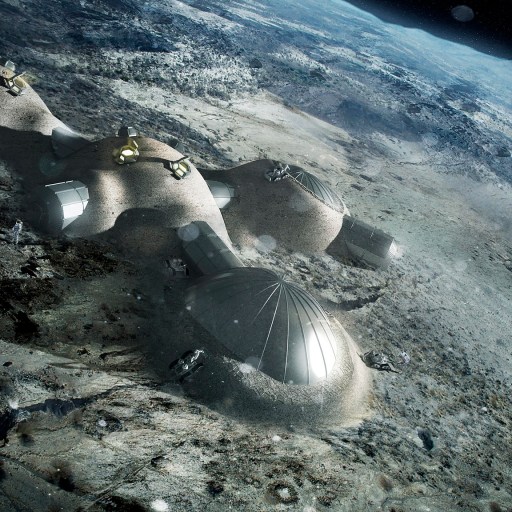
The first world beyond Earth for human habitability should be the Moon, not Mars. This is why we should terraform our lunar neighbor first.
Maybe — just don't expect a carbon copy.
Natural navigator Tristan Gooley joins us to discuss the philosophy of reading nature’s hidden clues — and how relearning this ancient skill can help us see the world, and ourselves, with greater awareness.
In this excerpt from "Playful," Cas Holman surveys the research that brought the neuroscience of play into the mainstream.
3mins
Philosophy asks if free will is real. Neuroscience reveals why the answer is more complicated than we expected.
Unlikely Collaborators
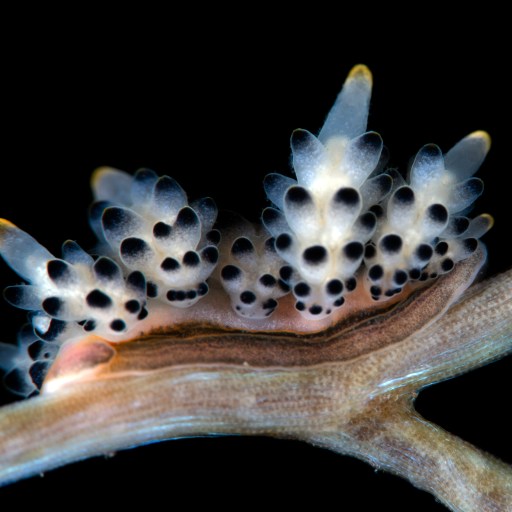
In this excerpt from "One Hand Clapping," Nikolay Kukushkin makes the case that neurons reveal how memory, meaning, and even consciousness emerge from the same biological roots in humans, sea slugs, and beyond.
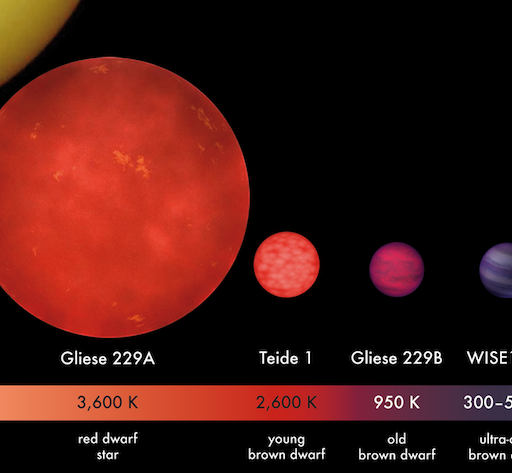
Red dwarfs are the Universe's most common star type. Their flaring now makes potentially Earth-like worlds uninhabitable, but just you wait.

3mins
If the people controlling AI are biased, the output will also be. Free speech scholar Jacob Mchangama makes the case for completely open-source AI.

Getting drunk might be bad for you but good for us.
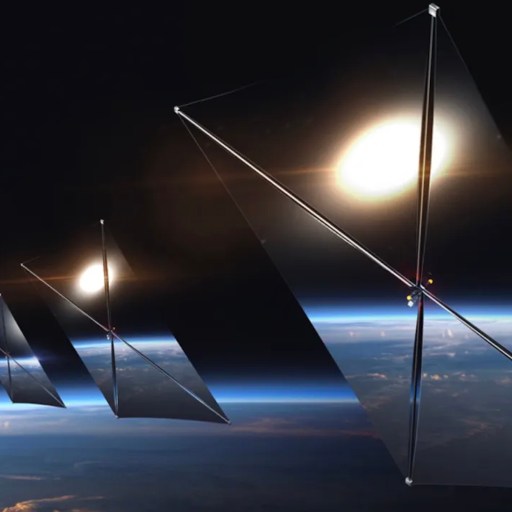
Solar power has the disadvantage that there's no Sun at night. Satellite startup Reflect Orbital wants to change that, but at what cost?

"What’s happening now has, in fact, been happening since the very invention of language and writing."
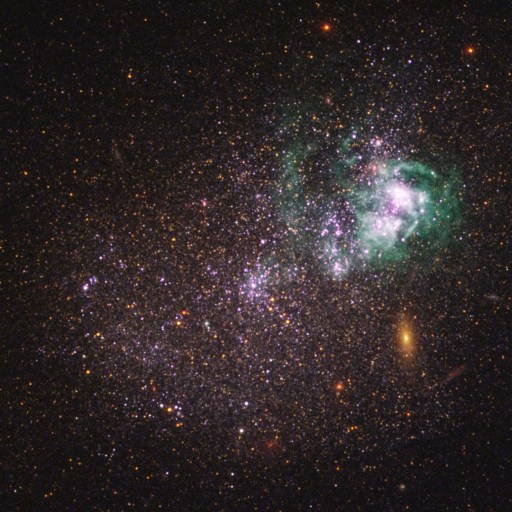
Our Sun only arose after 9.2 billion years of cosmic history: with many stars living and dying first. How many prior generations were there?
3mins
Language is a huge part of human development, even the language we keep to ourselves. Three experts explain how words and beliefs can change our brains and our lives:
Unlikely Collaborators
59mins
"One of the largest mitigating factors against getting traumatized is who is there for you at that particular time."
3mins
Sleeping better helps you think better, which helps you live better. Three experts explain why quality sleep is imperative to brain function, problem solving, communication, and more.
Unlikely Collaborators

15mins
“This is a world in which we've essentially given ourselves the tools to stop the construction of the most important product in American lives in the places where Americans often most want to move.”
Members
To foster a collaborative and respectful work environment, Kim Scott emphasizes the importance of respecting colleagues as individuals, even if you disagree with their opinions, ultimately creating a workplace where everyone can thrive.
Members
Astronauts like Chris Hadfield and Scott Parazynski exemplify risk mitigation, demonstrating that their contingency planning skills are applicable to various challenges on Earth, from budgeting to managing Fortune 500 companies.
Members
Simon Sinek emphasizes that both individuals and organizations thrive by identifying their "why," fostering a purpose-driven culture that supports personal growth and honesty in the pursuit of meaningful goals.

Members
Aristotle's notion of man as a political animal highlights that 21st-century career success hinges on effectively navigating complex relationships and the social and political dynamics within organizations, as emphasized by Harvard Business School professor Linda Hill.
Members
This class, featuring experts like Timothy, Herman, and Zollman, explores organizational culture and decision-making by emphasizing psychological qualities, diverse perspectives, and the importance of collaboration, trust, and organized skepticism to enhance team effectiveness and combat cognitive biases.
Neuroscientist Rachel Barr shares her favorite books on the brain and how they shaped her approach to the field.

23mins
“We can have that fight for a 1,000 years, but we could have a shot at figuring out what we both need and noticing when there's opportunities to make that happen.”
9mins
“The sexual excitation system is the accelerator or the gas pedal, and it notices all the sex-related information in the environment.”
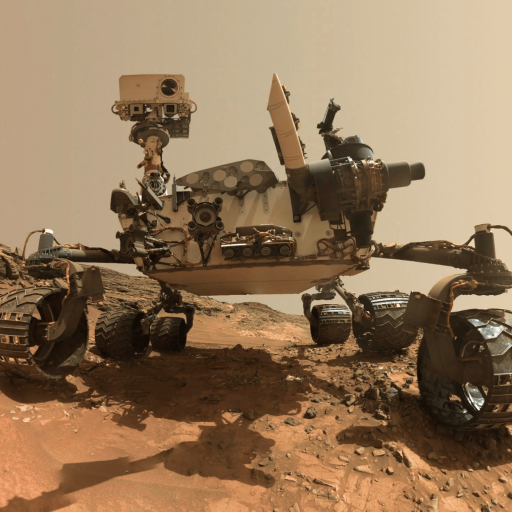
Organic compounds can form through simple chemistry alone — making the search for true biosignatures trickier than it seems.
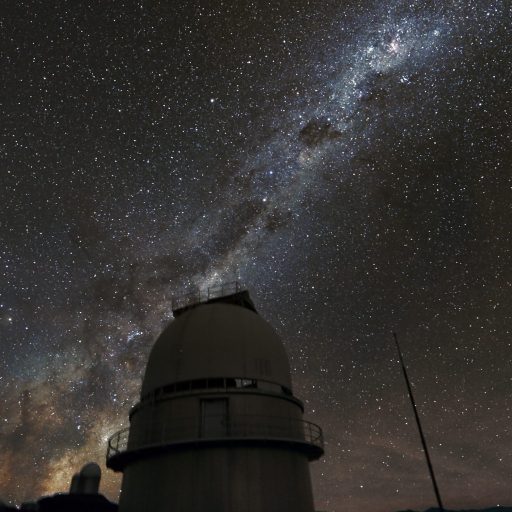
Questions about our origins, biologically, chemically, and cosmically, are the most profound ones we can ask. Here are today's best answers.
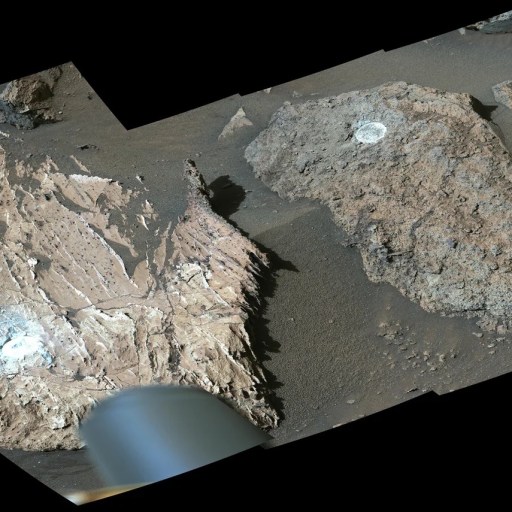
The red planet, Mars, may once have been teeming with life, just as Earth is today. Finding "organics" on Mars, however, doesn't mean life.
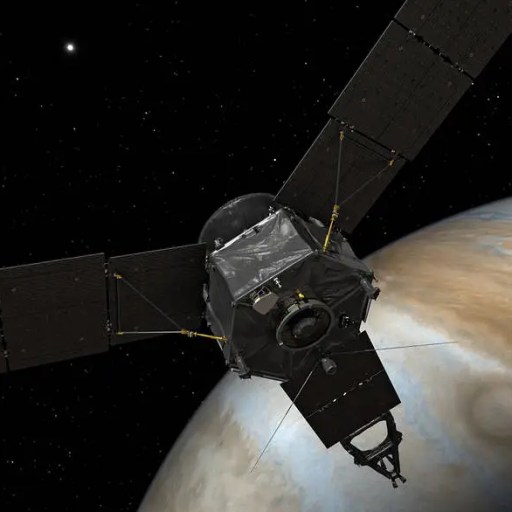
The Juno spacecraft, orbiting and imaging Jupiter since 2016, is still succeeding. Without a further extension, the mission now faces death.
7mins
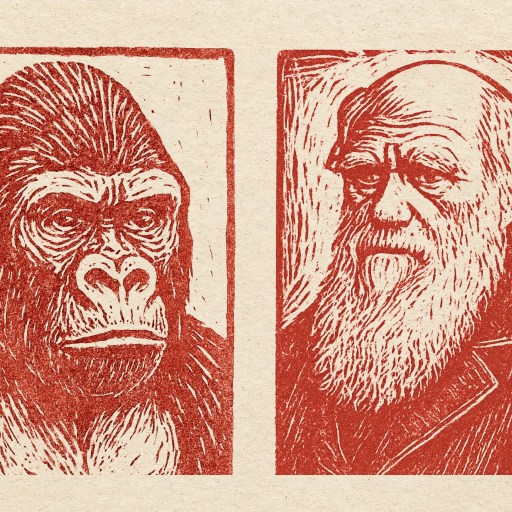
“The idea of evolution by natural selection is, for me, probably the most beautiful idea in biology.”