Search
Physics

Panpsychist philosopher Philip Goff, PhD on mysticism and the future of faith.
John Templeton Foundation
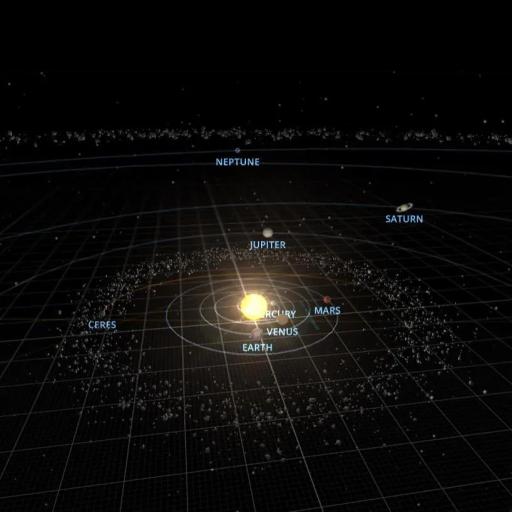
Scientists are notoriously resistant to new ideas. Are they falling prey to groupthink? Or are our current theories just that successful?

Nearly 100 years after being theorized, the strange behavior of the neutrino still mystifies us. They could be even stranger than we know.
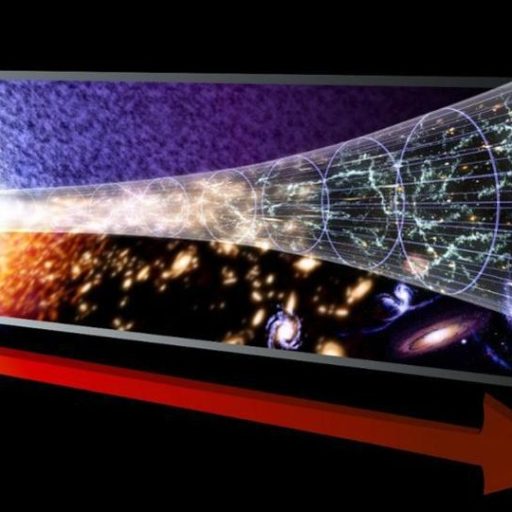
For 13.8 billion years, the Universe has been expanding. But that couldn't have been the case for an eternity, and science has proven it.
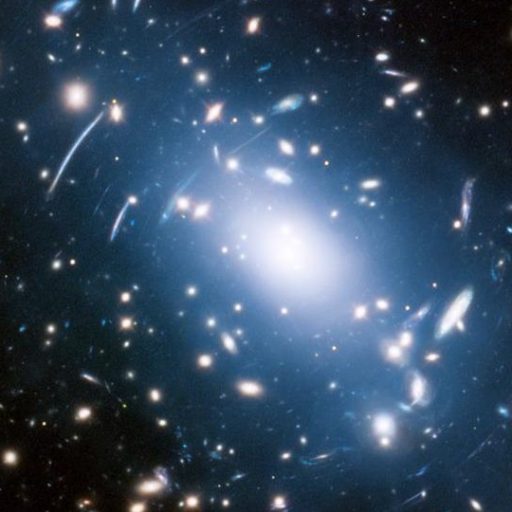
Dark matter has never been directly detected, but the astronomical evidence for its existence is overwhelming. Here's what to know.
We've long known we can't go back to infinite temperatures and densities. But the hottest part of the hot Big Bang remains a cosmic mystery.
The whole isn't greater than the sum of its parts; that's a flaw in our thinking. Non-reductionism requires magic, not merely science.
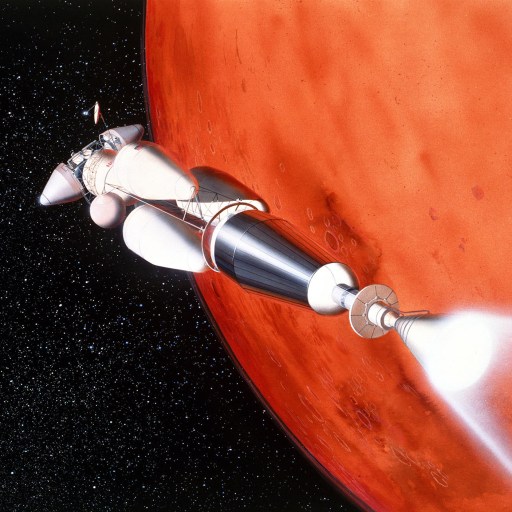
"Think of it like a transcontinental railroad — not the fastest way to move a lot of mass, but certainly the most efficient,” Jared Isaacman said about nuclear electric propulsion.
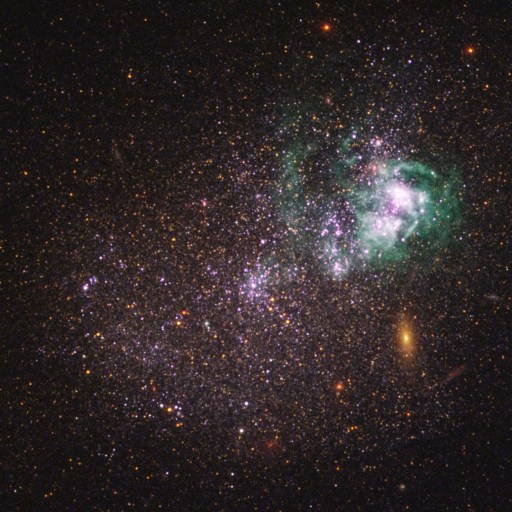
Our Sun only arose after 9.2 billion years of cosmic history: with many stars living and dying first. How many prior generations were there?
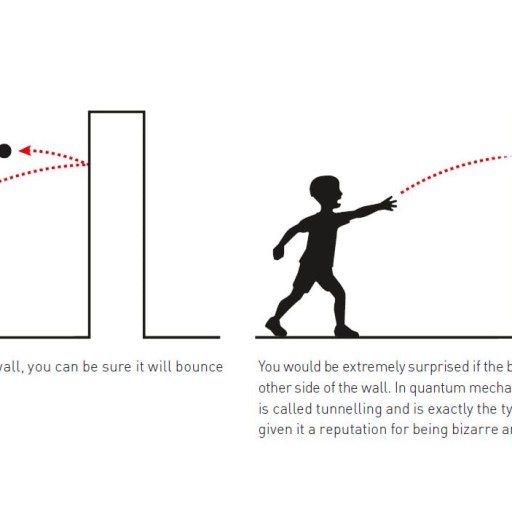
Quantum mechanics was first discovered on small, microscopic scales. 2025's Nobel Prize brings the quantum and large-scale worlds together.
Proposed over 2000 years ago by Democritus, the word atom literally means uncuttable. Revived in 1803, today's "atoms" can indeed be split.
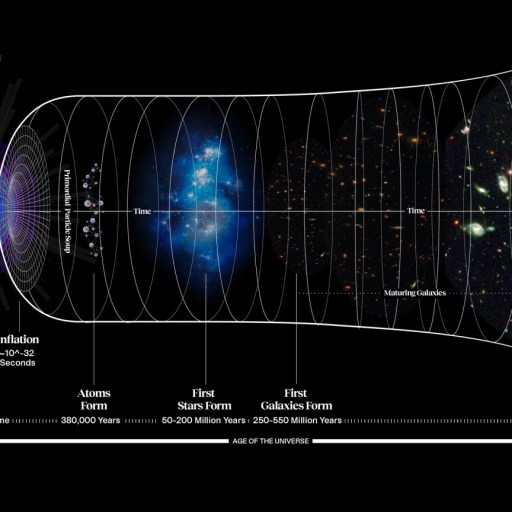
From the Big Bang to a prior period of cosmic inflation, our cosmic origins are clearer than ever. Yet these 5 big mysteries still remain.
All of the matter that we measure today originated in the hot Big Bang. But even before that, and far into the future, it'll never be empty.
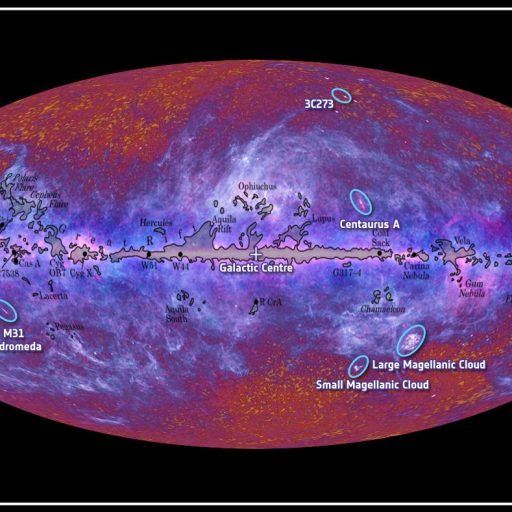
The hot Big Bang is often touted as the beginning of the Universe. But there's one piece of evidence we can't ignore that shows otherwise.
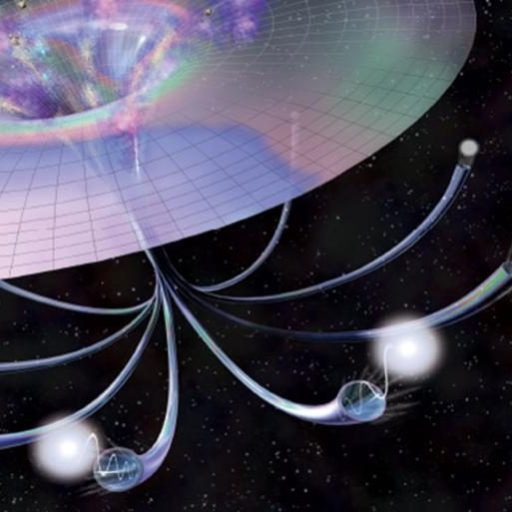
As we gain new knowledge, our scientific picture of how the Universe works must evolve. This is a feature of the Big Bang, not a bug.

We don't learn from history because we can't learn from history.
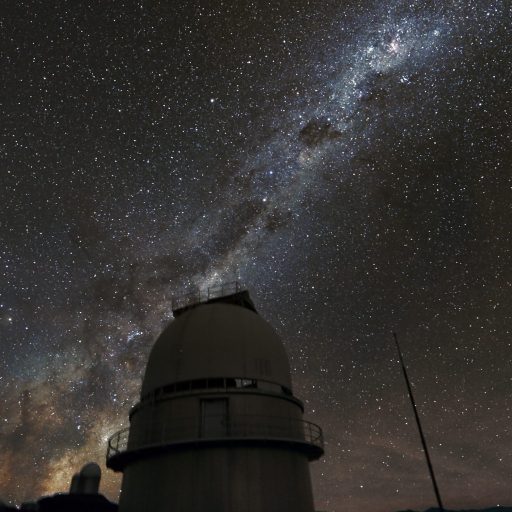
Questions about our origins, biologically, chemically, and cosmically, are the most profound ones we can ask. Here are today's best answers.
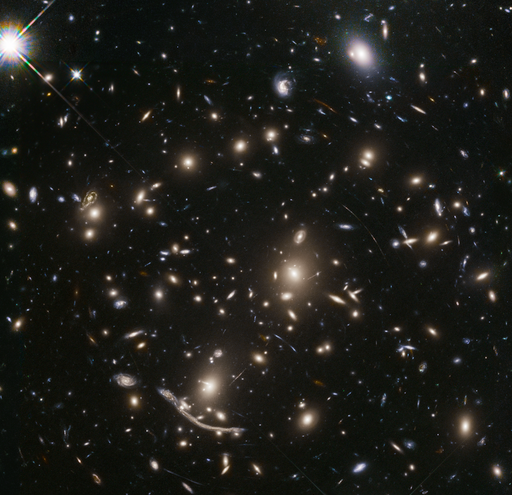
It's the origin of our entire observable Universe, but it's still not the very beginning of everything.
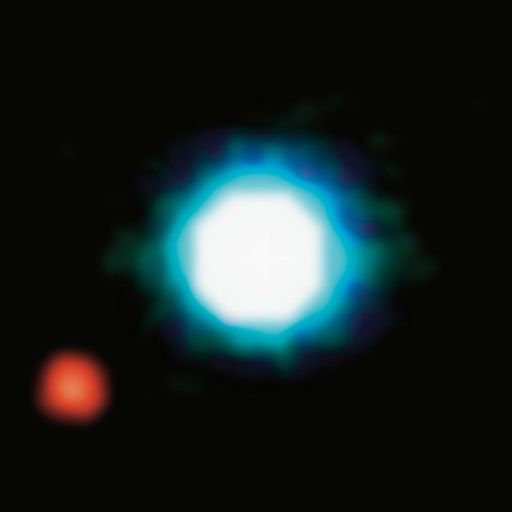
Going back to 1990, we hadn't even found one planet outside of our Solar System. As we close in on 6000, we now see many of them directly.

Explanations for the cosmic speed limit often conflate mass with inertia.
The Universe isn't just expanding; the expansion is accelerating. If different methods yield incompatible results, is dark energy evolving?
In this excerpt from "Tales of Militant Chemistry," Alice Lovejoy exposes how the need for uranium during WWII led the Allied governments to turn a blind eye to colonial exploitation.
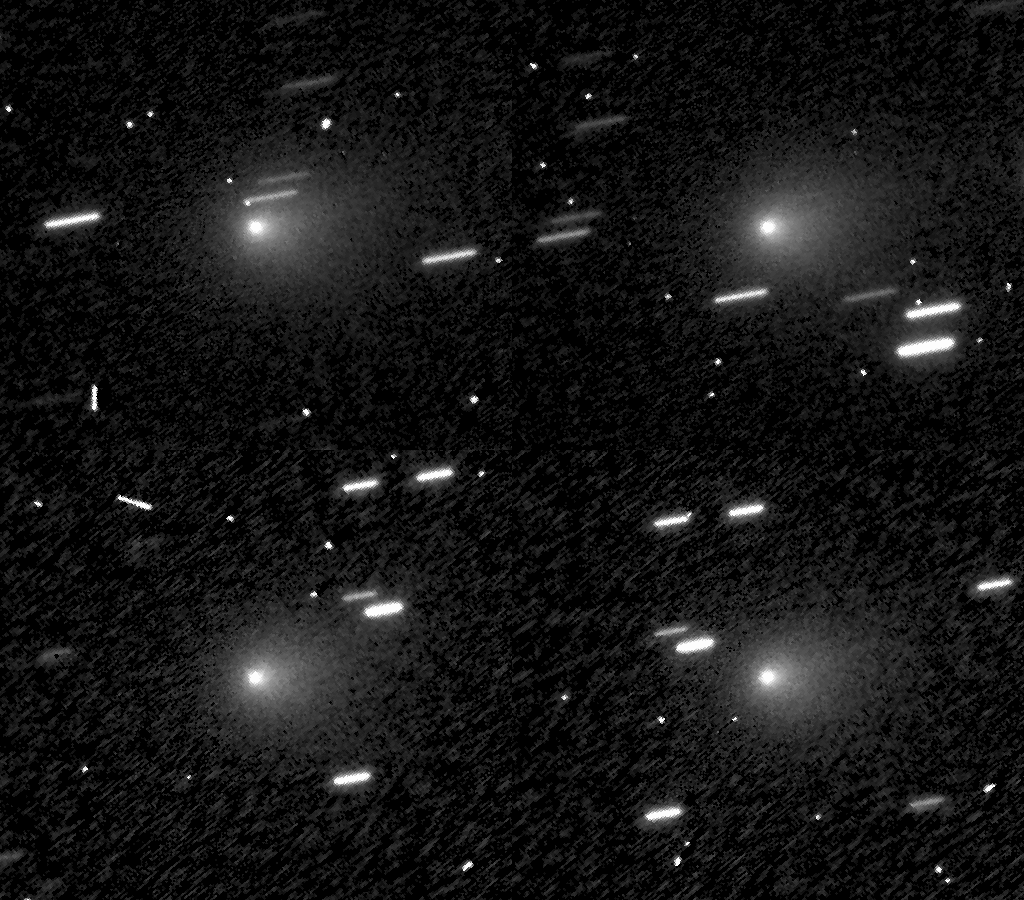
Designed to map galaxies, the SPHEREx mission's first science result is instead about interstellar interloper 3I/ATLAS. No, it's not aliens.
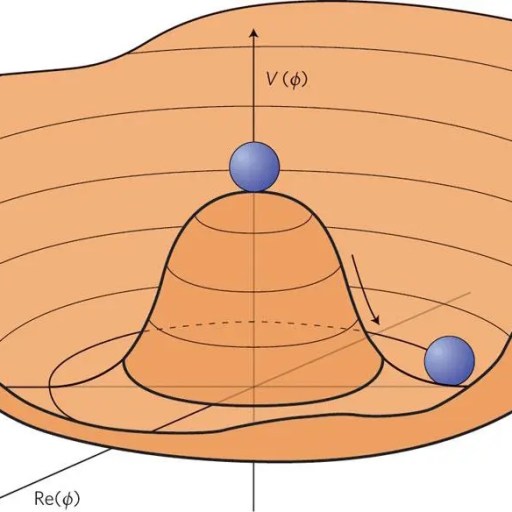
Throughout history, "free energy" has been a scammer's game, such as perpetual motion. But with zero-point energy, is it actually possible?
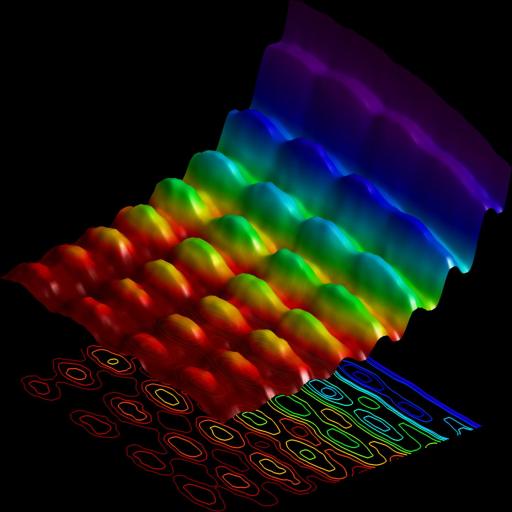
There could be variables beyond the ones we've identified and know how to measure. But they can't get rid of quantum weirdness.
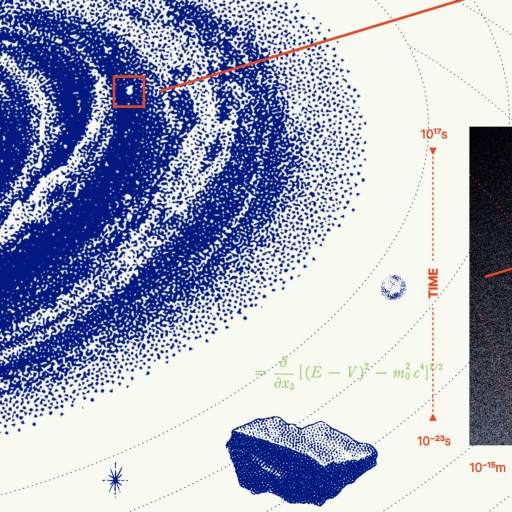
Science helps us imagine the vastness of space and time — and our small but meaningful place within it.
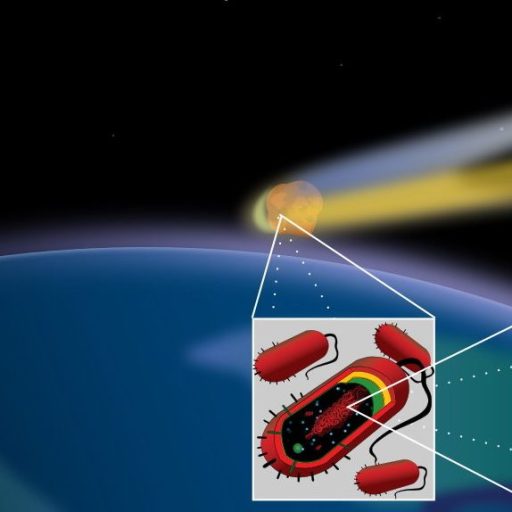
The Universe was born incredibly hot, and has expanded and cooled ever since. Could life have begun back when space was "room temperature?"

Just 13.8 billion years after the hot Big Bang, we can see 46.1 billion light-years away in all directions. Doesn't that violate...something?

Einstein is credited with saying, "If the facts don't fit the theory, change the facts." What he actually said has a very different meaning.
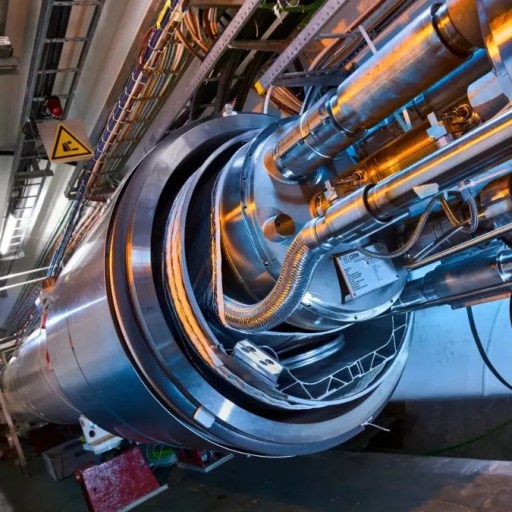
A next-generation collider is required for studying particle physics at the frontiers. Here's the fastest, cheapest way to get it done.