Search
Ethan Siegel
A theoretical astrophysicist and science writer, host of popular podcast “Starts with a Bang!”

Ethan Siegel is a Ph.D. astrophysicist and author of "Starts with a Bang!" He is a science communicator, who professes physics and astronomy at various colleges. He has won numerous awards for science writing since 2008 for his blog, including the award for best science blog by the Institute of Physics. His two books "Treknology: The Science of Star Trek from Tricorders to Warp Drive" and "Beyond the Galaxy: How humanity looked beyond our Milky Way and discovered the entire Universe" are available for purchase at Amazon. Follow him on Twitter @startswithabang.
Read Less
Figuring out the answer involved a prism, a pail of water, and a 50 year effort by the most famous father-son astronomer duo ever.
With the invention of the leap year, the Julian calendar was used worldwide for over 1500 years. Over time, it led only to catastrophe.
Today, the star-formation rate across the Universe is a mere trickle: just 3% of what it was at its peak. Here's what it was like back then.
Earth wasn't created until more than 9 billion years after the Big Bang. In some lucky places, life could have arisen almost right away.
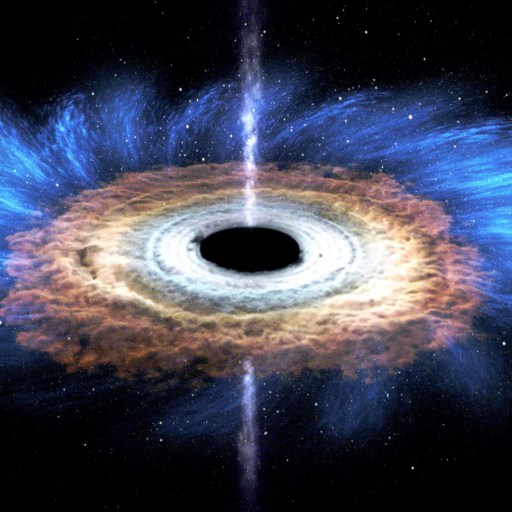
As early as we've been able to identify them, the youngest galaxies seem to have large supermassive black holes. Here's how they were made.
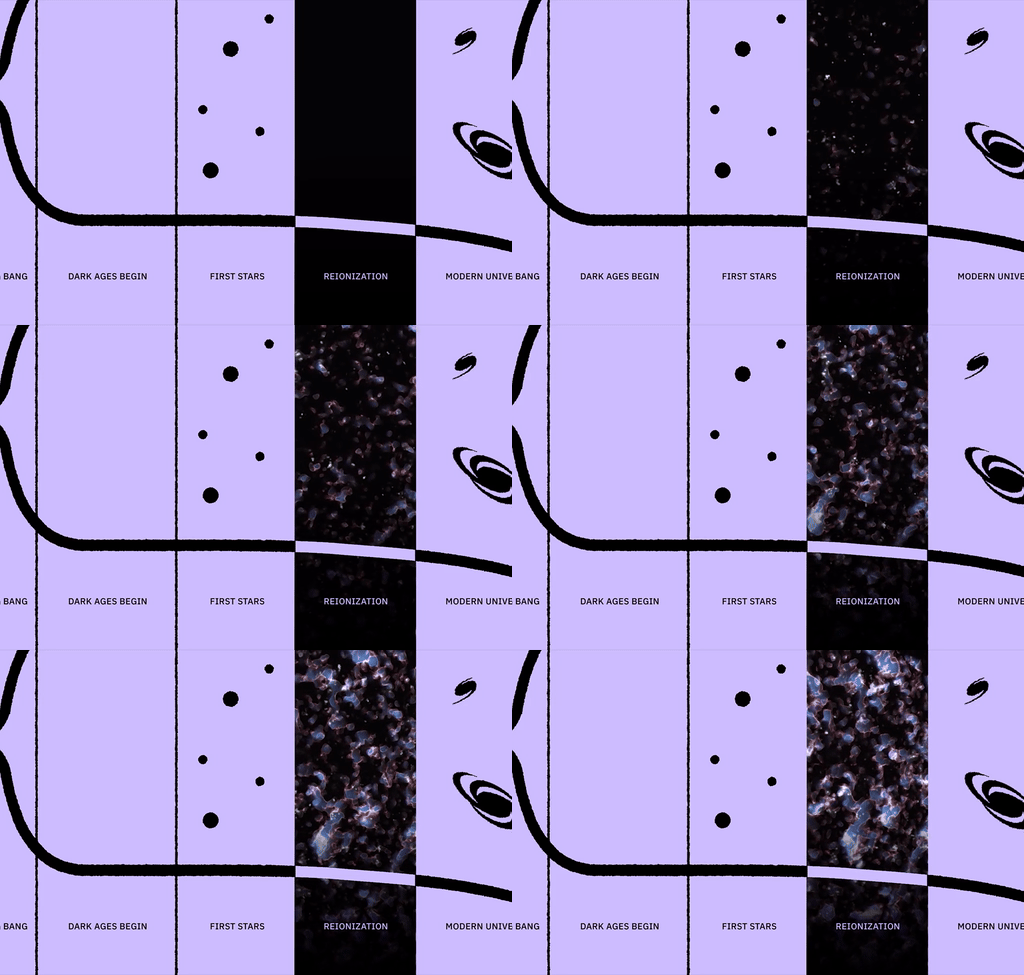
For 550 million years, neutral atoms blocked the light made in stars from traveling freely through the Universe. Here's how it then changed.
Even after the first stars form, those overdense regions gravitationally attract matter and also merge. Here's how they grow into galaxies.
The first stars in the Universe were made of pristine material: hydrogen and helium alone. Once they die, nothing escapes their pollution.
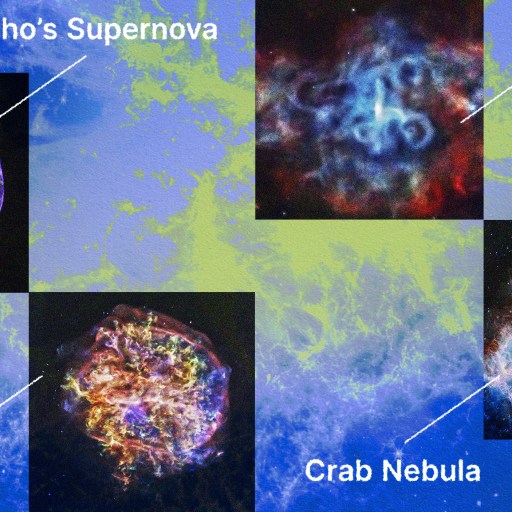
The first stars took tens or even hundreds of millions of years to form, and then died in the cosmic blink of an eye. Here's how.
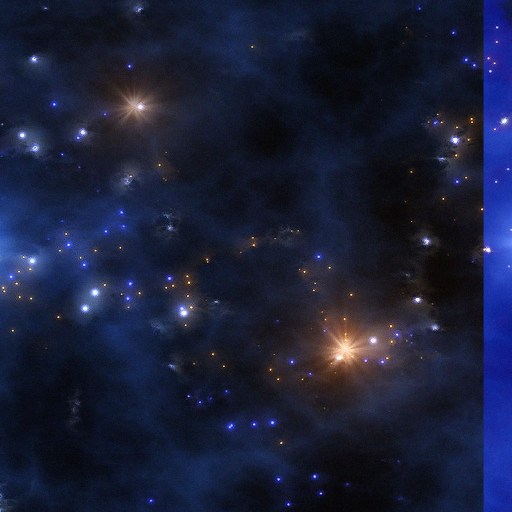
The Big Bang's hot glow faded away after only a few million years, leaving the Universe dark until the first stars formed. Oh, the changes!
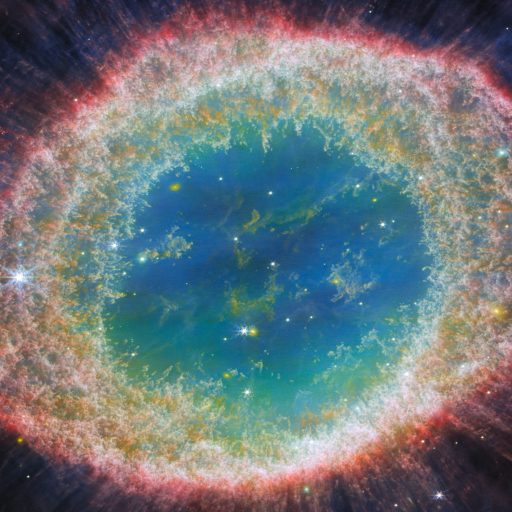
The Universe is an amazing place. Under the incredible, infrared gaze of JWST, it's coming into focus better than ever before.
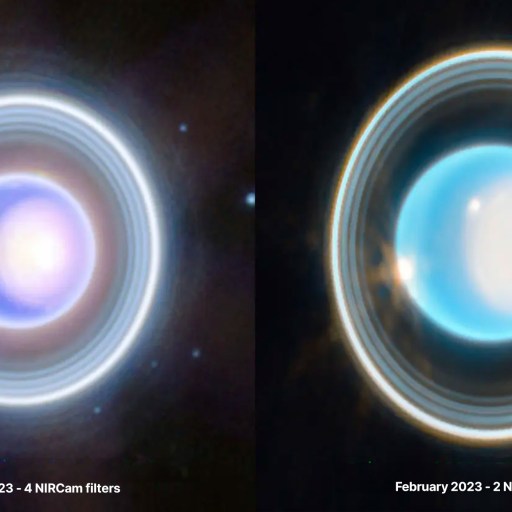
As Uranus approaches its solstice, its polar caps, rings, and moons come into their best focus ever under JWST's watchful eye. See it now!
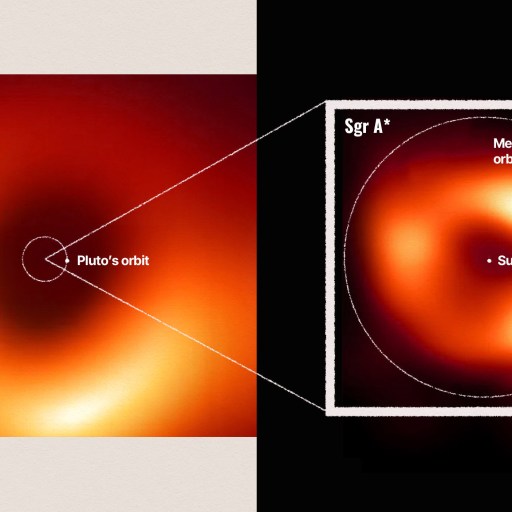
Misinformation was extremely popular in 2023, as bad science often made global headlines. Learn the truth behind these 10 dubious stories.
In our Universe, matter is made of particles, while antimatter is made of antiparticles. But sometimes, the physical lines get real blurry.
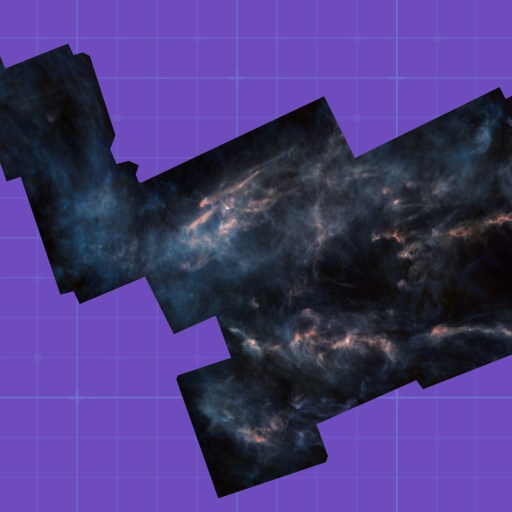
Atomic nuclei form in minutes. Atoms form in hundreds of thousands of years. But the "dark ages" rule thereafter, until stars finally form.

With any occupation comes a risk of health and safety hazards. When it comes to being Santa Claus, the challenges are unique.
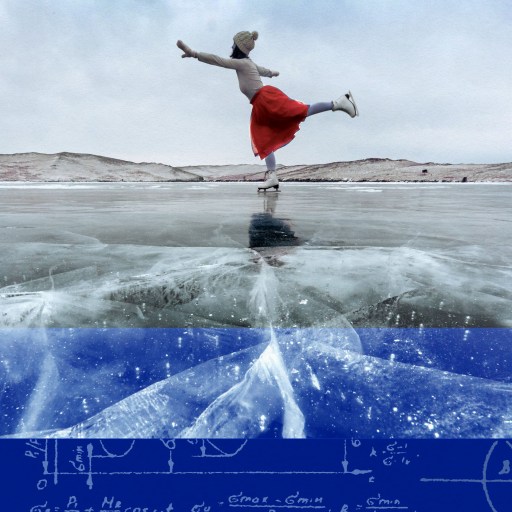
While ice itself is slick, slippery, and difficult to navigate across under most circumstances, skaters easily glide across the ice.
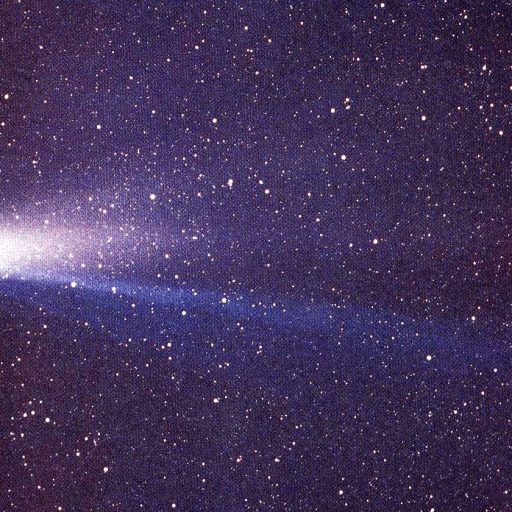
On December 9, 2023, Halley's Comet reached aphelion: its farthest point from the Sun. As it returns, here are 10 facts you should know.
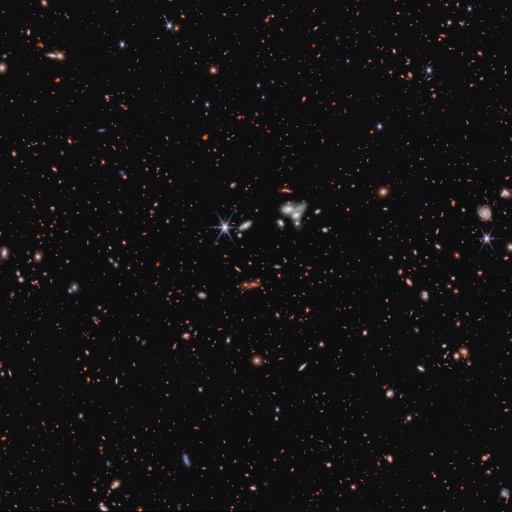
Since JWST first glimpsed the Universe, we've entered a new era in understanding the earliest objects in the Universe. What have we learned?

For generations, physicists have been searching for a quantum theory of gravity. But what if gravity isn't actually quantum at all?