Search
Jonny Thomson

Jonny Thomson taught philosophy in Oxford for more than a decade before turning to writing full-time. He’s a columnist at Big Think and is the award-winning, bestselling author of three books that have been translated into 22 languages.
Jonny is also the founder of Mini Philosophy, a social network of around two million curious, intelligent minds. He's known all over the world for making philosophy accessible, relatable, and fun.
Read Less

You're a moody person. You have to be — because understanding moods philosophically can be crucial to your work-life.
How black and white is your thinking?

Grab a sword, a small plate, and a young child. We've got a demon to summon.
Self-help often distills philosophical ideas for the modern ear. Sometimes, its better to go back to the source.
Just because you can't experience it doesn't mean it's not real.

10mins
“If we're to be happy at all, it has to be found outside of this notion of pleasure. We have to step beyond hedonia. But the problem is that we risk going too far.”

We have it in our power to forgive a debt — and learning to use this power in the workplace can be golden.

Will "Sausage Party" survive the test of time?
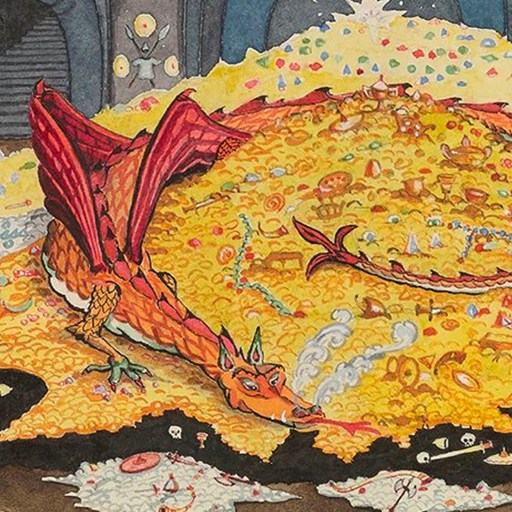
For J.R.R. Tolkien, the single most important element of a fairy tale was the dramatic reversal of misfortune in the story's ending.
How many scientists does it take to ruin a good conspiracy?

This supremely simple hack can help you establish good habits, break bad ones, and guard against failure.

All religions have three traits: metaphysical commitments, ethical guidance, and daily rituals or practices. So does Stoicism.

If you're an atheist with a vocation, who laid that path for you?

Listen, set boundaries, and point them where to go.

"I have a friend who thinks vaccines cause autism," writes Nina. "What can I do?"

The truly talented are those who got to where they are despite preconceived expectations.
In the 18th century, David Hume argued that we are only motivated to do good when our passions direct us to do so. Was he right?

There’s little more infuriating in the world than being told to “calm down” when you’re in the midst of a simmering grump.
How can "you" move on when the old "you" is gone?

Do you always act professionally in the workplace? Depends what you mean by "professional."