Search
Jonny Thomson

Jonny Thomson taught philosophy in Oxford for more than a decade before turning to writing full-time. He’s a columnist at Big Think and is the award-winning, bestselling author of three books that have been translated into 22 languages.
Jonny is also the founder of Mini Philosophy, a social network of around two million curious, intelligent minds. He's known all over the world for making philosophy accessible, relatable, and fun.
Read Less
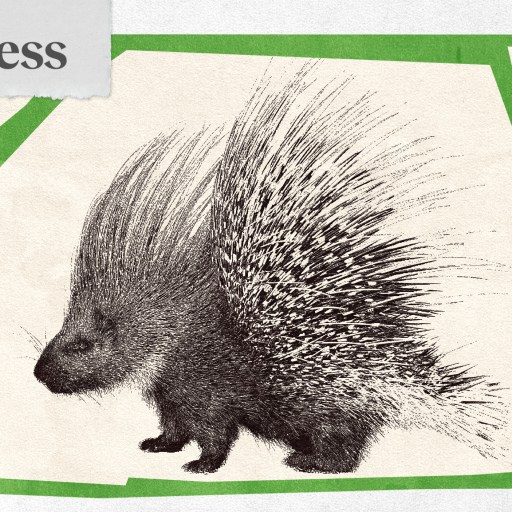
Schopenhauer and Freud can help teams navigate the most prickly of collaboration problems.

Big Think recently spoke with behavioral scientist and author Katy Milkman about what really motivates us and steers our behavior.

How heavy is the mask that you wear?

The "Shopping Cart Litmus Test" is a popular meme about morality. What does it really reveal about one's character?

Nobody likes the uneasy feeling of being watched — so can there be any workplace benefit to the all-seeing eye?

A battle between different kinds of love.

Voltaire's wonderful satire, Candide, remains a useful work-life antidote to bogus platitudes and naive optimism.

Big Think recently spoke with Nick Bostrom about how humans might find fulfillment in a post-scarcity world.

You've got to know when to fight and when to laugh.
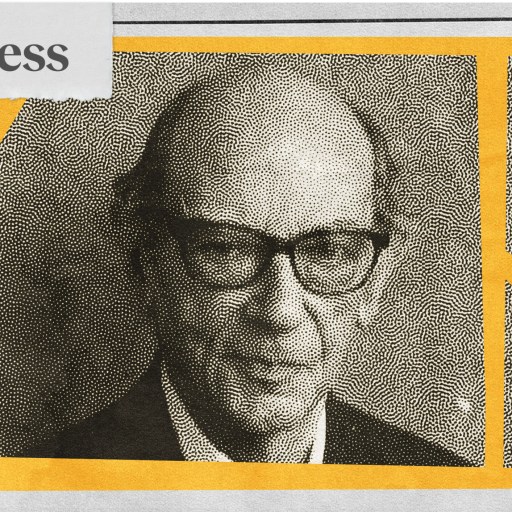
Leadership evasion might seem like a plan for workplace freedom but it isn't a good thing — it's a denial of opportunity.

Beer before wine and you'll feel fine? Well, it depends.

Sometimes you just want to hear, "I know what it's like."
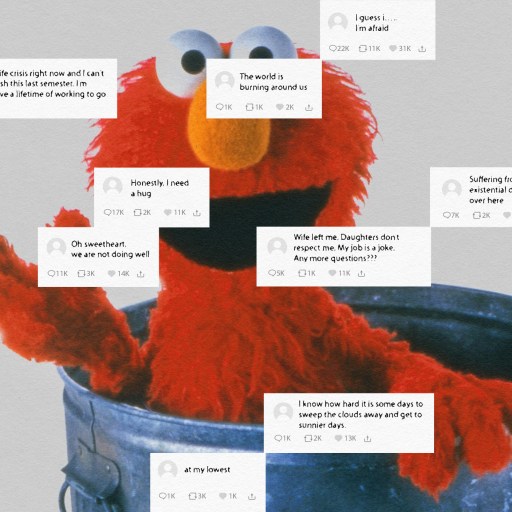
When does "oversharing" become an issue?

Bob Dylan gave us the paradoxical gem "there's no success like failure, and failure's no success at all." He had a point.
Nicole has been dating someone for a while but it's not working out from her point of view. Is sudden radio silence an ethical option?

Irene is on a bus with her young kids when two men come on, cussing like sailors. Should Irene step in and say something?

Rich is brilliant at his job. He completes work in half the time of his coworkers. Should he have to sit at his desk just as long?
When is a rabbit not a rabbit? When it's a thought experiment designed to reveal the tricky tango of language and concepts.

"Hardcore History" host Dan Carlin recently spoke with Big Think about the history of humanity's drive to create — and whether or not we can control it.

Kahneman was a world-changing psychologist — even with his lesser known ideas on life satisfaction.