Search
Stephen Johnson
Executive Editor, Big Think

Stephen Johnson is Executive Editor at Big Think. His writing has appeared in PBS, U.S. News & World Report, and newspapers and magazines across the Midwest. He lives in St. Louis.
Read Less
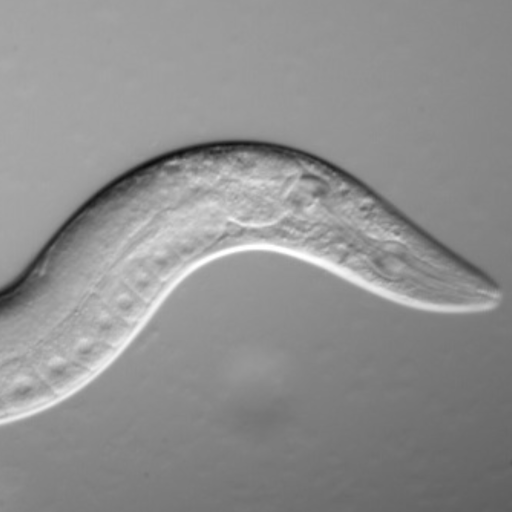
A new study shows that altering the ISS and TOR pathways in roundworms can extend lifespan by 500 percent.

If you're always succeeding, you're probably not learning much.

When facing a tough decision, it pays to trust your gut.

Attractive women are especially likely to dress modestly, but only in certain scenarios.

An ongoing experiment aboard the International Space Station aims to find out more about the fundamentals of combustion.

The idea of 'absolute time' is an illusion. Physics and subjective experience reveal why.

A photo showing two Alabama police officers bragging about a "homeless quilt" made from confiscated panhandling signs raises questions about the constitutionality of panhandling.
From "if-by-whiskey" to the McNamara fallacy, being able to spot logical missteps is an invaluable skill.
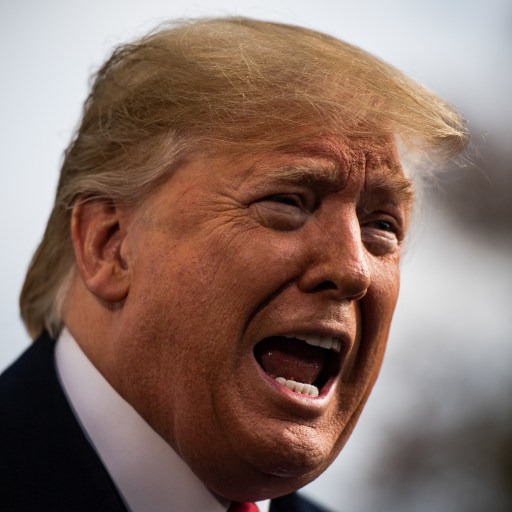
For the third time in U.S. history, the House of Representatives voted to impeach a sitting U.S. president.
It's a victory for homeless advocates on the West Coast, who say criminalizing homelessness is cruel and ineffective.
A growing body of research suggests that the "clinical pessimism" over treating psychopathy is unwarranted.
People who score high in "dark triad" personality traits are able to empathize. They'd just rather not.
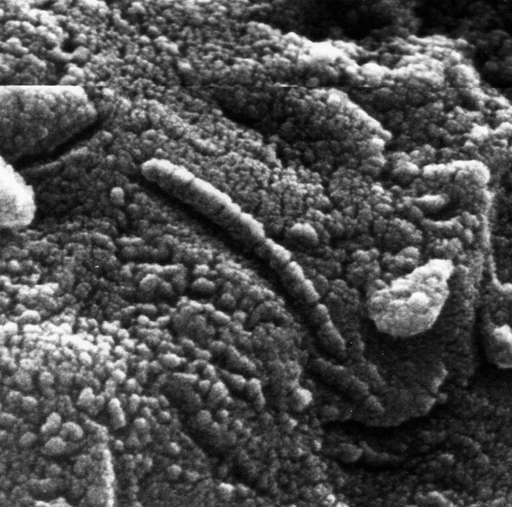
The Jerezo crater — where Mars 2020 is set to land — could be a good place to find signs of past life on Mars.

A recent study challenges the conventional thinking that says only young people can dream up successful new businesses.
The statistics for American adults aren't that much better.

The academic performance of American schoolchildren hasn't budged in two decades, despite billions of dollars in increased funding.
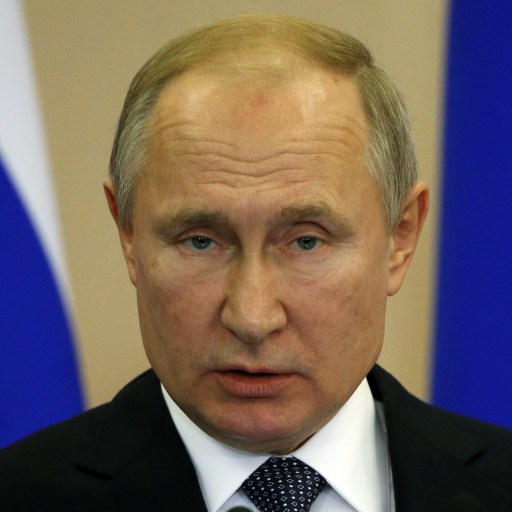
The encyclopedia offers more "reliable" information than Wikipedia, said Russian President Vladimir Putin.

How will Harris' departure affect the remaining 15 candidates in the Democratic field?
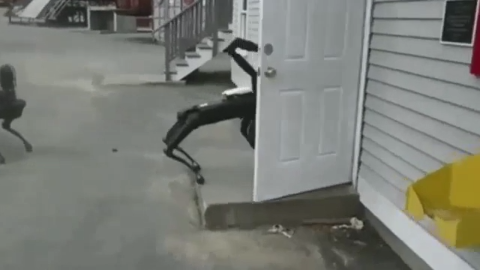
The semiautonomous could help to protect officers, but some are concerned about how exactly police plan to use it.

"For decades, a national anti-cruelty law was a dream for animal protectionists. Today, it is a reality."