Search
Stephen Johnson
Executive Editor, Big Think

Stephen Johnson is Executive Editor at Big Think. His writing has appeared in PBS, U.S. News & World Report, and newspapers and magazines across the Midwest. He lives in St. Louis.
Read Less

A recent clinical trial in Brazil highlights the dangers of two potential COVID-19 treatments: chloroquine and hydroxychloroquine.

Fires pose a major health risk to people living near irradiated sites.
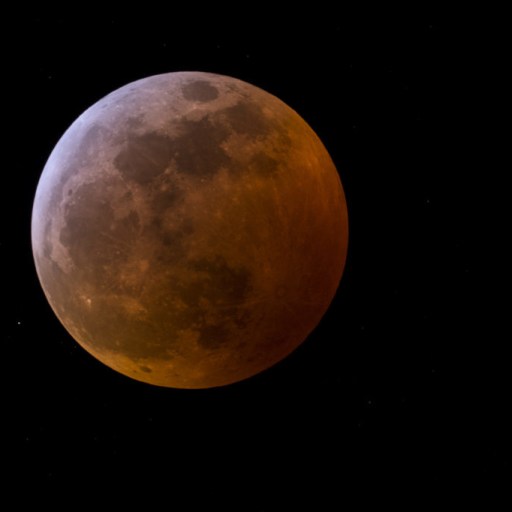
Need a distraction during these stay-at-home times? Look up tonight to see the first supermoon of spring.
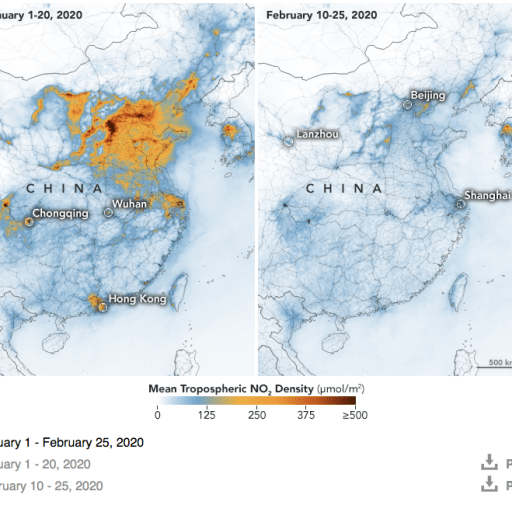
The environmental benefits of the coronavirus pandemic are only temporary, warns the head of the UN Environment Programme.

Video meetings on the popular platform don't seem to offer end-to-end encryption as advertised.
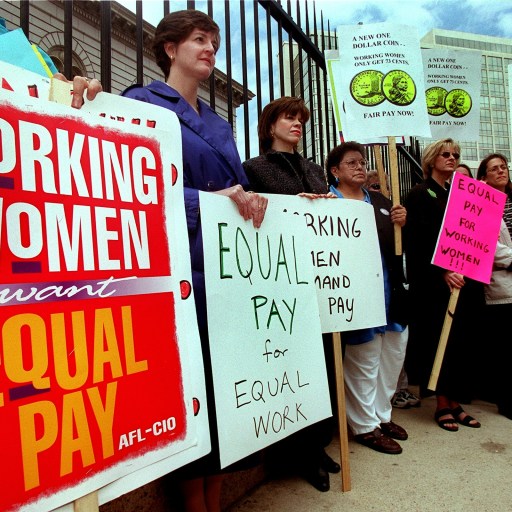
What factors explain the gender pay gap?

Amid the panic of the COVID-19 pandemic, are we building the surveillance states of tomorrow?

Facing a shortage of medical resources, doctors in the U.S. may have to make difficult moral decisions over how to allocate care.

Lawrence "Larry" Brilliant, an American epidemiologist who helped eradicate smallpox, warned about the inevitability of a global pandemic in a now-famous 2006 TED Talk.
Washing your hands with soap and water can help protect against the coronavirus. But only if you do it correctly.
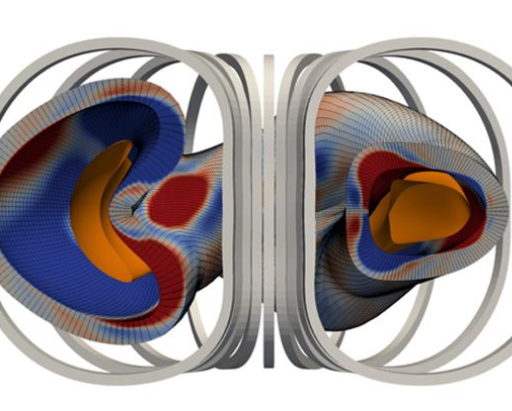
Using permanent magnets may help to make nuclear fusion reactors simpler and more affordable.

The Alzheimer's Association says its new analysis and surveys "should sound an alarm regarding the future of dementia care in America."

With lizard-like eyes and sharp teeth, this strange creature was likely smaller than your thumb.
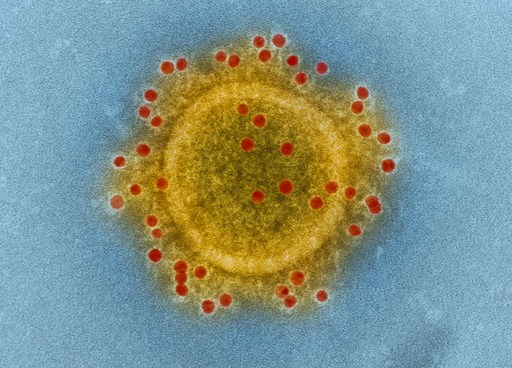
About 97.5 percent of people who develop symptoms will do so within 11.5 days, according to the new study.

Stock markets may be plummeting, but that doesn't mean the spread of COVID-19 is hurting everyone's bottom line.
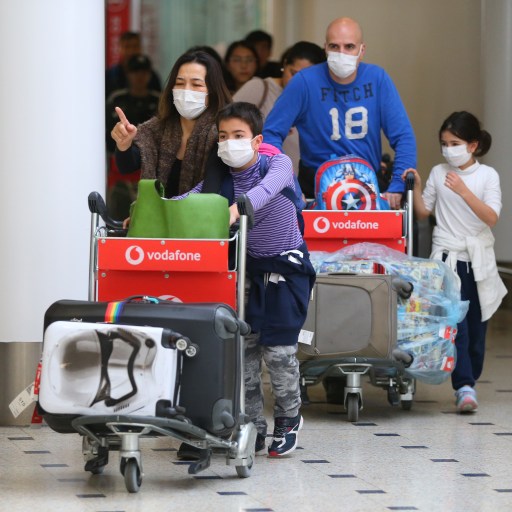
From travel restrictions to forced isolation, the new coronavirus brings psychological threats, too.
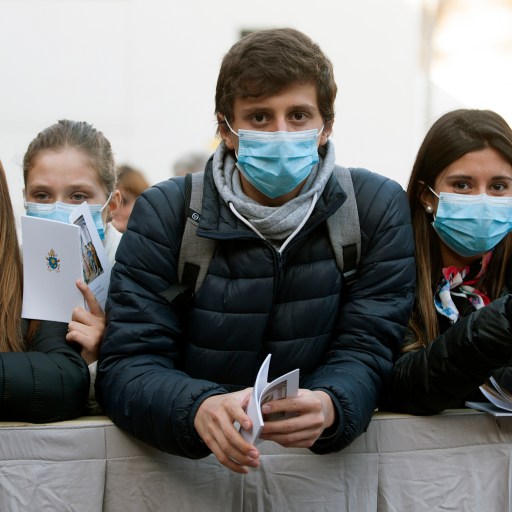
Here's what scientists know about how the virus spreads, and how to avoid contracting it.
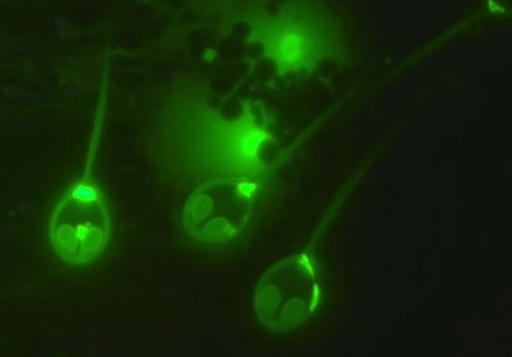
It's the first time scientists have discovered an animal that doesn't perform aerobic respiration.
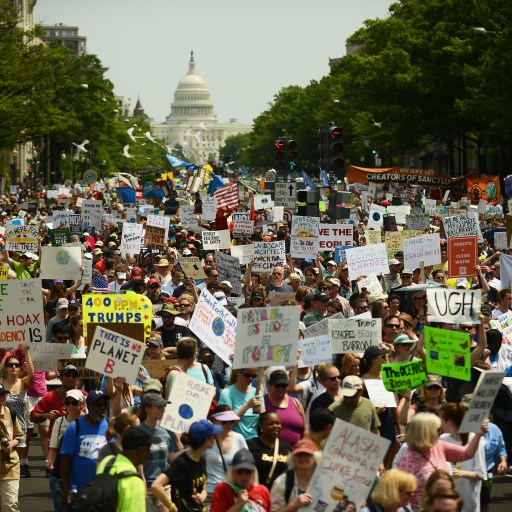
From gun control to immigration, Americans remain split on a handful of contentious issues.
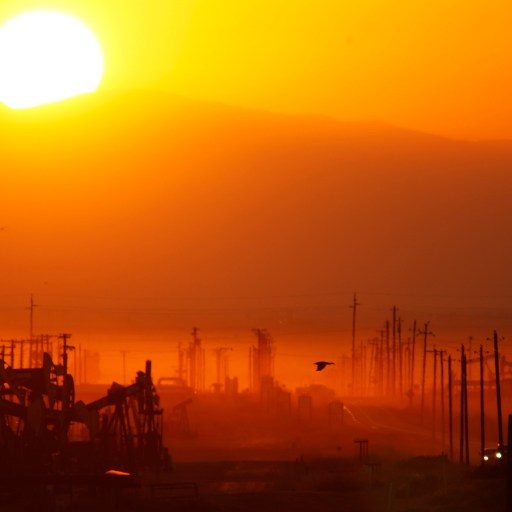
Methane is 80 times more effective than carbon dioxide at trapping heat in the atmosphere.