Search
Stephen Johnson
Executive Editor, Big Think

Stephen Johnson is Executive Editor at Big Think. His writing has appeared in PBS, U.S. News & World Report, and newspapers and magazines across the Midwest. He lives in St. Louis.
Read Less

Millions of doses of Johnson & Johnson's COVID-19 vaccine could be distributed as early as this week.
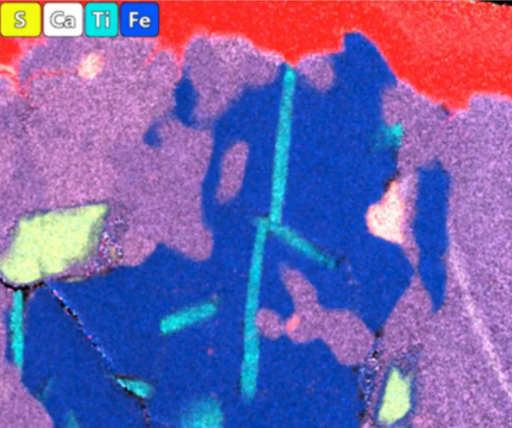
The results could help NASA's Perseverance rover find evidence of ancient life on Mars.
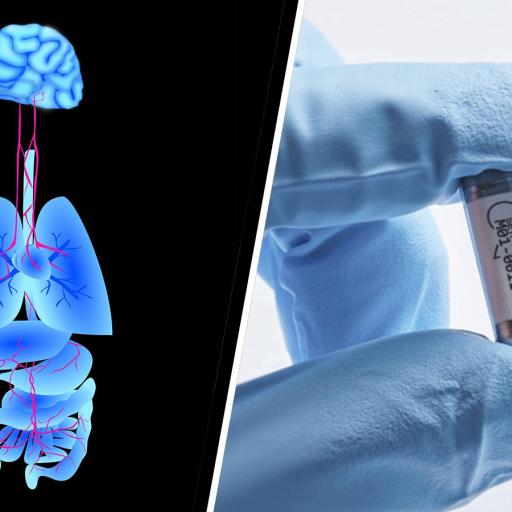
Scientists are using bioelectronic medicine to treat inflammatory diseases, an approach that capitalizes on the ancient "hardwiring" of the nervous system.
Northwell Health

The study suggests scientists are underestimating the number of animal species that could generate the next novel coronavirus.

A warming Arctic Circle could be responsible for bursts of cold weather in the south.

The UAE is the first Arab nation to send a spacecraft to the Red Planet.

Scientists with the the Dark Energy Spectroscopic Instrument (DESI) Legacy Imaging Surveys spent six years creating a detailed map of more than 1 billion galaxies.

Artist Seán Doran recently created more than eight hours of high-definition video using images captured by Japan's SELENE lunar orbiter.

A new paper explores how noise from human activities pollutes the oceans, and what we can do to fix it.
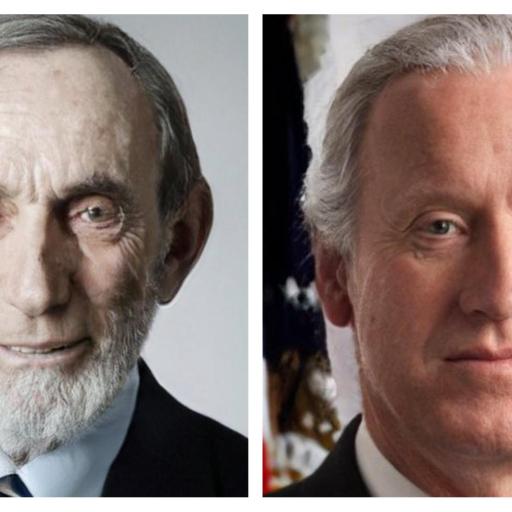
"Deepfakes" and "cheap fakes" are becoming strikingly convincing — even ones generated on freely available apps.

In the future, you might voluntarily share your social media data with your psychiatrist to inform a more accurate diagnosis.
Northwell Health
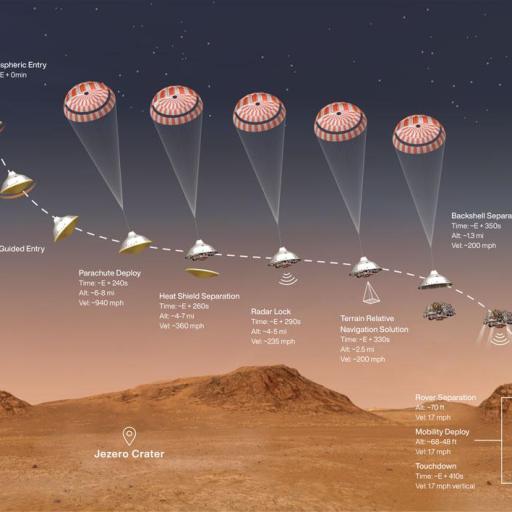
The space agency describes the process of landing rovers on Mars as "seven minutes of terror."

Clinical trials at the Feinstein Institutes for Medical Research focus on stabilizing cognitive loss and alleviating the psychotic symptoms that change our loved ones.
Northwell Health

A recent study showed that monkeys can make logical choices when given an A or B scenario.
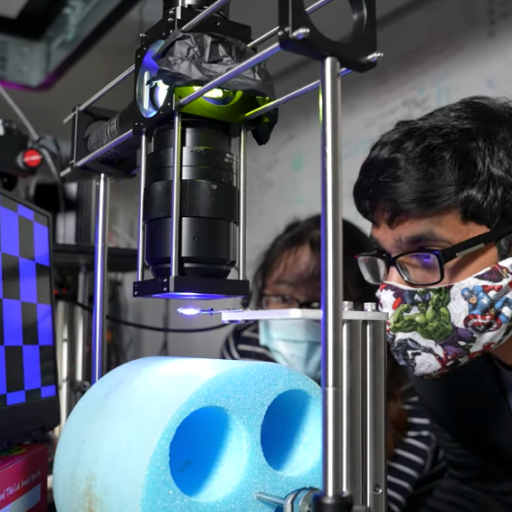
The Defense Advanced Research Projects Agency (DARPA) recently issued $8 million in follow-up funding to a team of neuroengineers developing brain-to-brain and brain-to-machine technology.

A new study casts doubt on previous research showing that emotional well-being plateaus at an income of $75,000 per year.

The main bioactive compound in catnip seems to protect cats from mosquitoes. It might protect humans, too.

NASA is scrapping its Apollo-era launcher platform to make room for new infrastructure that will support upcoming Artemis missions.

A new study explains how a chaotic region just outside a black hole's event horizon might provide a virtually endless supply of energy.
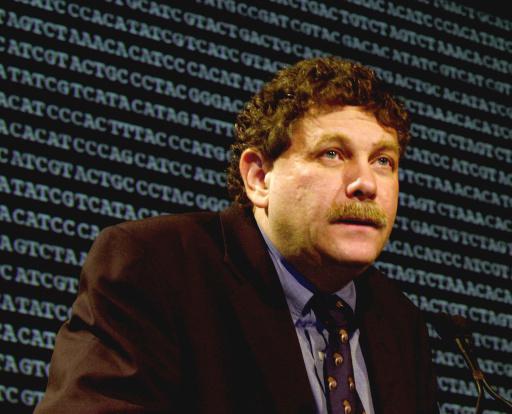
Dr. Eric Lander is a pioneer in genomics. What role will he play in the new administration?