Search
Stephen Johnson
Executive Editor, Big Think

Stephen Johnson is Executive Editor at Big Think. His writing has appeared in PBS, U.S. News & World Report, and newspapers and magazines across the Midwest. He lives in St. Louis.
Read Less

Can biomaterials help finally thrust perovskite solar cells to mainstream adoption?

How would the ability to genetically customize children change society? Sci-fi author Eugene Clark explores the future on our horizon in Volume I of the "Genetic Pressure" series.
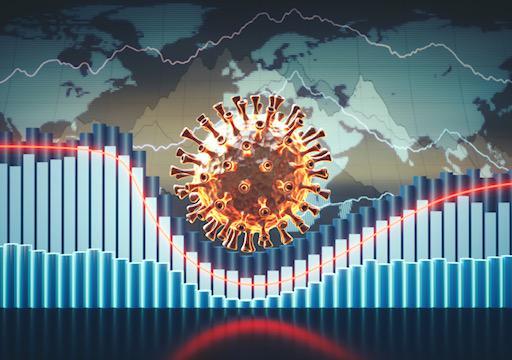
Northwell Health is using insights from website traffic to forecast COVID-19 hospitalizations two weeks in the future.
Northwell Health

Valles Marineris on Mars is 10 times longer and three times deeper than Earth's Grand Canyon.

The federal government and private insurers greatly increased Americans' telehealth access during the pandemic. Will these changes be permanent?
Northwell Health

"The function of private media is to make money for the people who own the media. It is a business," Sanders said.

For several weeks after considering the ethics of eating meat, participants in an experiment changed their eating habits.

Ultraviolet LED lights could soon be used to help disinfect air and surfaces in buildings, planes, subways and other spaces.

Humans churn out about 30 gigatons (30,000,000,000 tons) of material every year.

A new study explores the therapeutic potential of the psychedelic drug ibogaine, which has been used in Africa for centuries.

Gun violence is a public health crisis that is notoriously difficult to study because of politics. Finally, a new research initiative has the green light to collect life-saving data.
Northwell Health

Here's why you may want to opt-out of Amazon's new shared network.

"Our mission is to completely replace the use of animals as a food technology by 2035," said Patrick O. Brown at the 2020 Web Summit.

Is Bitcoin akin to 'digital gold'?

Psychedelic therapy will become legal in Oregon in 2023. That's thanks largely to a renaissance of psychedelic research that's changing attitudes on the substances' medical potential.

Britons could start receiving the vaccine within days.

Puerto Rico's iconic telescope facilitated important scientific discoveries while inspiring young scientists and the public imagination.
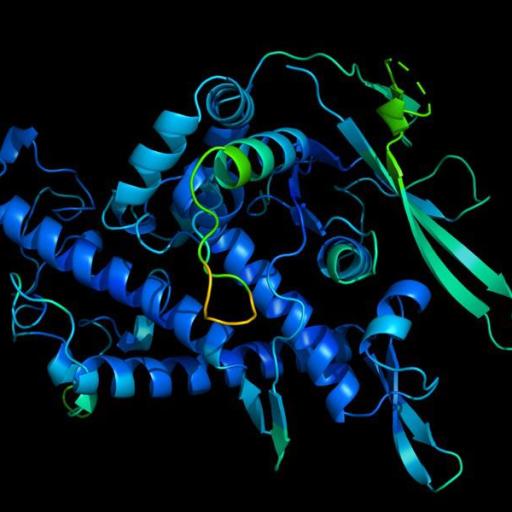
The Google-owned company developed a system that can reliably predict the 3D shapes of proteins.

Vegans and vegetarians often have nutrient deficiencies and lower BMI, which can increase the risk of fractures.
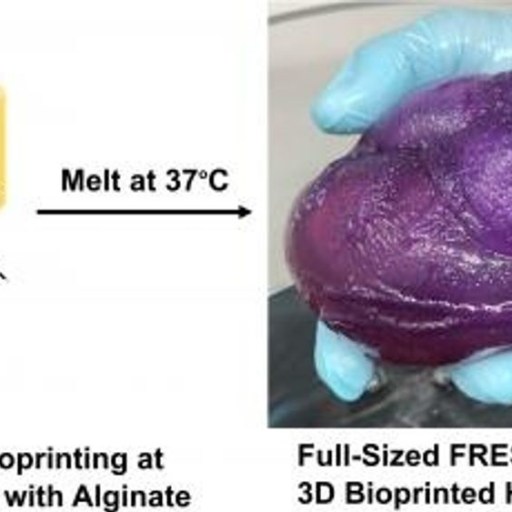
A new method is able to create realistic models of the human heart, which could vastly improve how surgeons train for complex procedures.